
Swiss Central Bank Buys More Strategy Shares While Refusing Direct Bitcoin Purchases


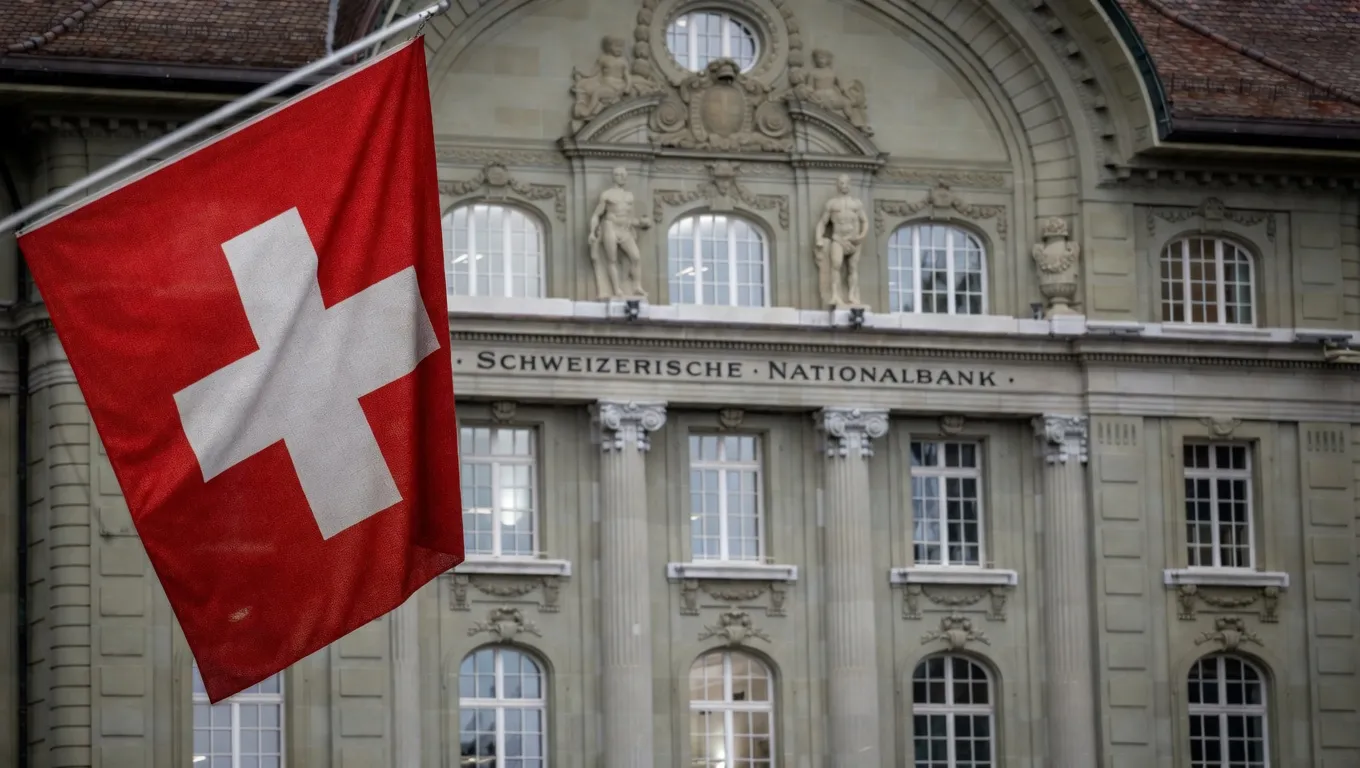
In a striking display of contradiction, the Swiss National Bank (SNB) has once again expanded its indirect exposure to Bitcoin while publicly rejecting any direct investment in Bitcoin itself.
According to recent disclosures, the SNB purchased an additional 50,720 shares of Strategy. The transaction, valued at roughly $9 million at approximately $180 per share, represents a roughly 7% increase in the bank’s holdings, bringing its total stake to 766,100 shares worth about $138 million.
This latest move fits a long-standing pattern. The SNB has held Strategy shares since at least 2013. Even after the company publicly committed to buying as much Bitcoin as possible and made it the cornerstone of its corporate treasury, the Swiss central bank did not sell or simply hold steady. It bought more. On September 30, 2024, it dramatically ramped up its position from approximately 46,600 shares to 468,200 shares, a surge of more than 900%.
The timing could hardly be more ironic. Just today, campaigners behind a popular initiative to force the SNB to hold Bitcoin as part of its official reserves announced they were dropping the effort. The Bitcoin Initiative failed to collect the required 100,000 signatures needed to trigger a constitutional referendum, managing only about half that number despite an 18-month campaign.
SNB President Martin Schlegel has been unequivocal in his rejection of direct Bitcoin holdings. He has stated plainly that the SNB has no plans to buy Bitcoin, citing its large volatility, questions over preservation of value, insufficient liquidity for monetary policy needs, and the absence of a robust legal framework. He has emphasized that the SNB’s foreign-exchange reserves must preserve value and remain easily adjustable. Criteria he believes Bitcoin does not meet. “For example, it’s the preservation of value,” he explained. “And as you know, Bitcoin has large fluctuations in value, so this is not a given.” He has also raised concerns about liquidity, describing Bitcoin as “basically software” potentially prone to technical issues.
Yet while the president publicly dismisses Bitcoin, the bank continues to accumulate a proxy for it through Strategy, whose balance sheet now functions as one of the largest publicly traded Bitcoin vehicles in the world.
Switzerland’s approach stands in contrast to several of its European neighbors, which are openly embracing direct Bitcoin exposure. Luxembourg’s Intergenerational Sovereign Wealth Fund announced a 1% allocation to Bitcoin via ETFs last year. In the Czech Republic, central bank Governor Aleš Michl has been even more positive after running a test portfolio. “With 1 percent in Bitcoin, the expected return goes up. And the overall risk stays about the same,” he noted, attributing the benefit to Bitcoin’s low long-term correlation with traditional assets. “That is diversification.”
Political momentum is also building elsewhere. In the United Kingdom, Reform UK, riding high after a strong showing in recent local elections, has pledged to create a national Bitcoin reserve. Germany’s AfD has made similar commitments.
The Swiss National Bank’s actions send a subtle but unmistakable signal. Even one of Europe’s most conservative and traditionally skeptical central banks is quietly increasing its Bitcoin-related exposure through the back door. While President Schlegel insists Bitcoin has no place in official reserves, the SNB’s growing Strategy position tells a different story.
In a global race to accumulate Bitcoin, whether through direct purchases, ETFs, or corporate proxies, Switzerland may not be as detached as its public statements suggest. For Bitcoin advocates, the message is clear: when even cautious Switzerland is buying in through the side entrance, it’s time for the rest of the world to pay attention.
Want more bitcoin treasury coverage in your search results? Add Bitcoin Treasuries as a preferred source on Google.