
Best Bitcoin Hardware Wallets
Compare the top hardware wallets for securing your Bitcoin treasury.
Hardware wallets keep private keys offline on a dedicated device, eliminating the most common attack vectors: malware, phishing, and remote exploits. For treasuries holding significant Bitcoin positions, hardware wallets — especially in multisignature configurations — provide institutional-grade security without third-party custodial risk.
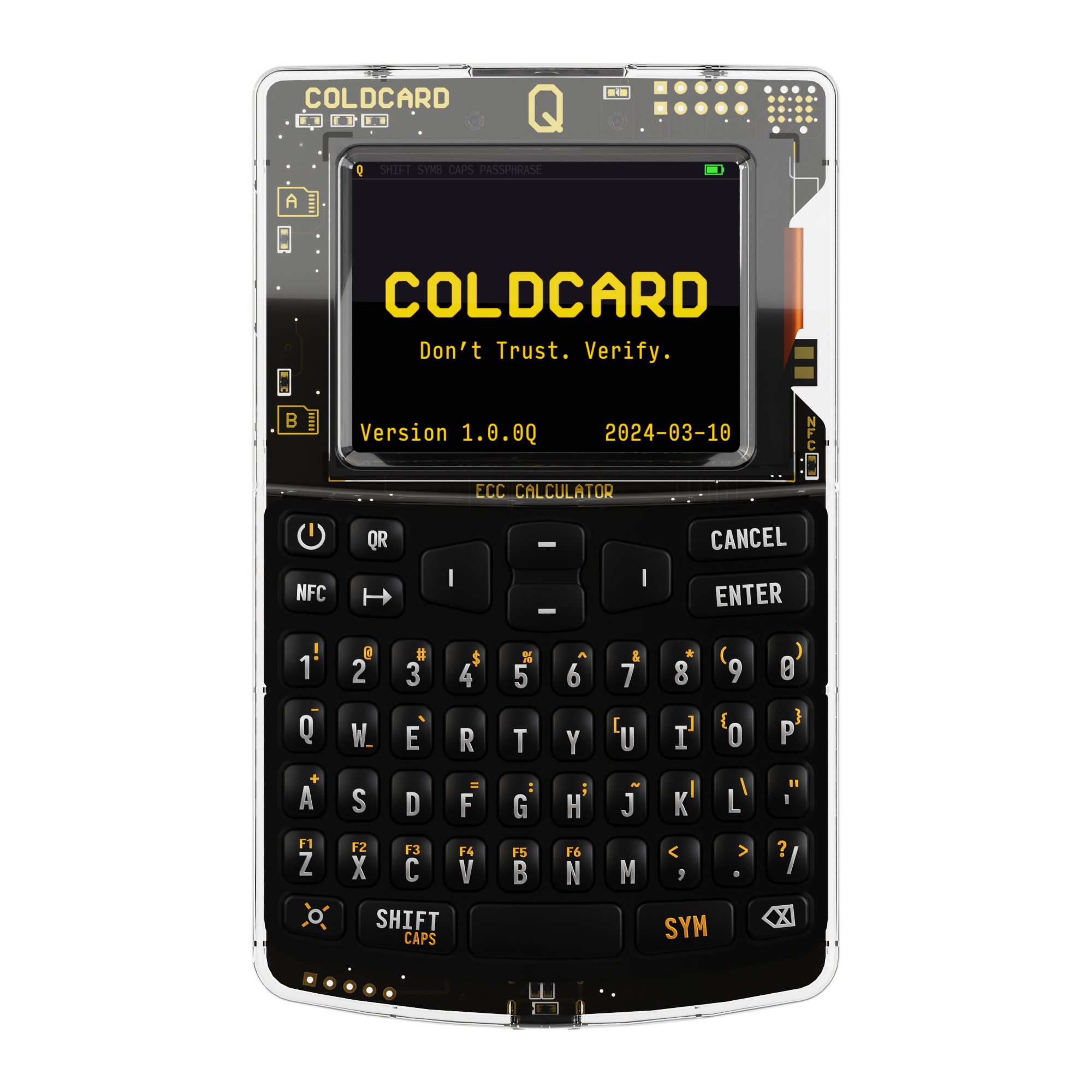
COLDCARD Q
The most advanced Bitcoin-only hardware wallet. Full QWERTY keyboard, large color screen, QR code scanning, NFC, and microSD — all fully air-gapped.
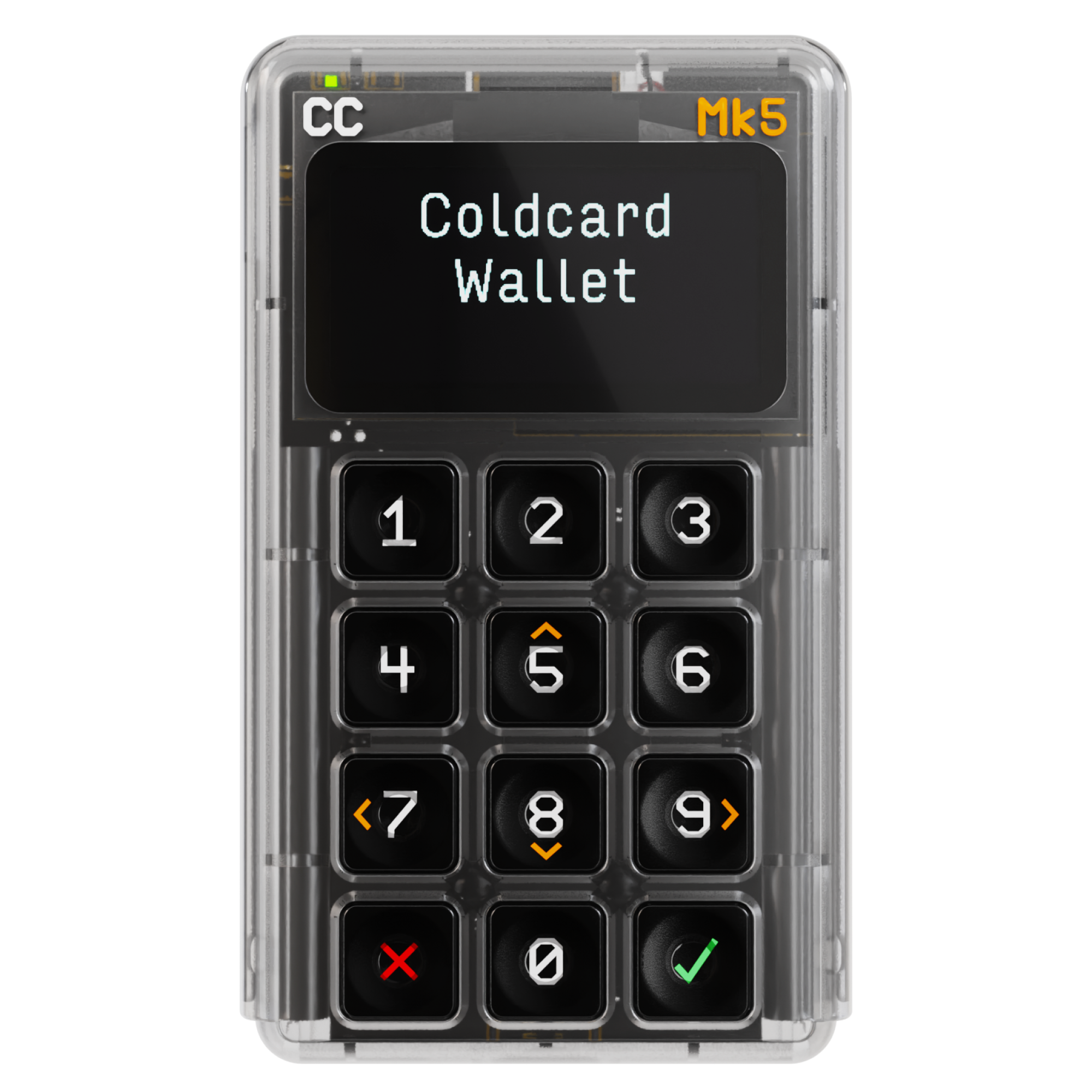
COLDCARD Mk5
The classic Bitcoin-only hardware wallet with air-gapped signing via microSD. Compact, battle-tested, and trusted by serious Bitcoiners.
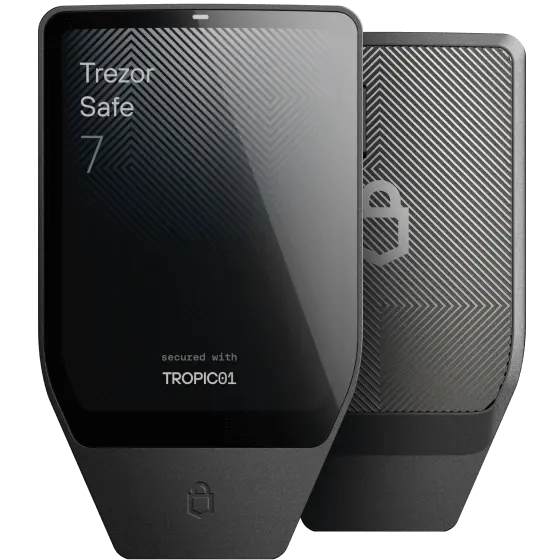
Trezor Safe 7
Trezor's flagship with quantum-resistant firmware updates, color touchscreen, and dual Secure Elements. Bluetooth connectivity and thousands of supported coins.
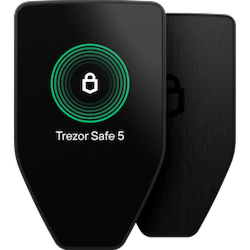
Trezor Safe 5
Mid-range Trezor with color touchscreen and Secure Element. Great balance of security features and usability.
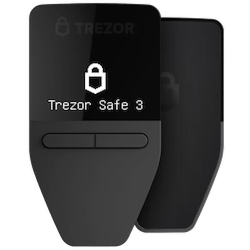
Trezor Safe 3
Affordable entry point to hardware wallets with Secure Element protection. Simple, reliable, and with verifiable source code.
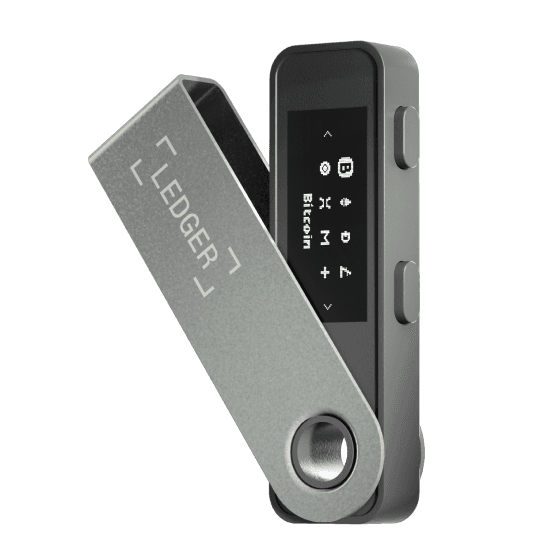
Ledger
Popular hardware wallet brand with multiple models (Nano S Plus, Nano X, Nano Gen5, Stax, Flex). Wide coin support and Bluetooth connectivity on select models.
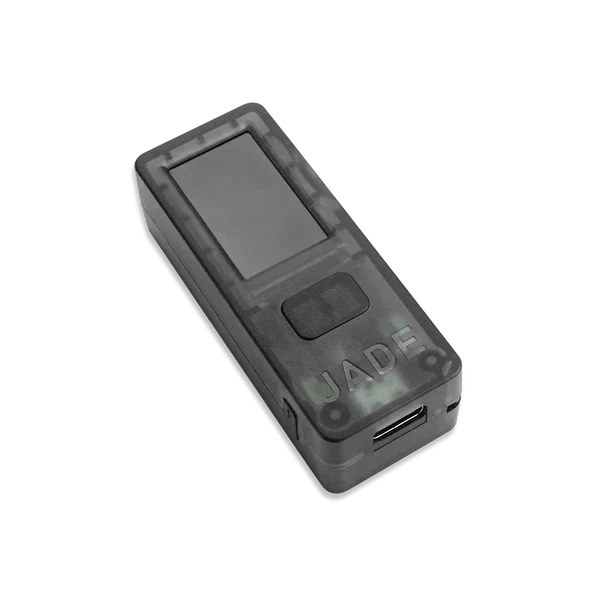
Blockstream Jade
Hardware wallet with fully verifiable source code and air-gapped QR code signing. Multiple models: Jade and Jade Plus with larger screen and faster processor. Supports Bitcoin and Liquid Network.
Feature Comparison
| Feature | COLDCARD Q | COLDCARD Mk5 | Trezor Safe 7 | Trezor Safe 5 | Trezor Safe 3 | Ledger | Blockstream Jade |
|---|---|---|---|---|---|---|---|
| Price | $249.21 | $169.94 | $249 | $129 | $59 | $59–$399 | $79–$169 |
| Bitcoin Only | |||||||
| Verifiable Source | |||||||
| Air-Gapped | |||||||
| Secure Element | |||||||
| Dual Secure Element | |||||||
| Touchscreen | |||||||
| NFC | |||||||
| No Bluetooth | |||||||
| Screen | Large color LCD + QWERTY keyboard | OLED monochrome | Color touchscreen | Color touchscreen | Monochrome OLED | Varies by model | Color LCD |
Information on this page, including pricing, may not be up to date. Please verify details on the manufacturer's website before making a purchase.
Frequently Asked Questions
A hardware wallet is a physical device that stores your Bitcoin private keys offline, away from internet-connected computers. It signs transactions internally, so your keys never leave the device. This makes it extremely difficult for hackers, malware, or phishing attacks to steal your Bitcoin.
Organizations holding Bitcoin as a treasury asset face significant custodial risk. Hardware wallets provide cold storage security, meaning keys are never exposed to the internet. Combined with multisignature setups, they offer institutional-grade security without relying on third-party custodians.
Air-gapped signing means the hardware wallet never connects to a computer via USB, Bluetooth, or any wired connection. Instead, transaction data is transferred via QR codes, NFC, or microSD cards. This eliminates an entire class of attacks that require a data connection to the device.
Your Bitcoin is not stored on the device — it's on the blockchain. The device holds your private keys. When you set up a hardware wallet, you write down a 12 or 24-word seed phrase (backup). This seed phrase can restore your wallet on any compatible device. Store your seed phrase securely, separate from the hardware wallet.
Yes. When source code is publicly available, independent security researchers can audit it, verify there are no backdoors, and confirm the device does what it claims. Without access to the source code, you must trust the manufacturer completely. For high-value Bitcoin holdings, this transparency is critical.
Multisig requires multiple hardware wallets to approve a transaction (e.g., 2-of-3 or 3-of-5). This eliminates single points of failure — no single lost, stolen, or compromised device can move your funds. Most serious Bitcoin treasuries use multisig with devices from different manufacturers.
For treasury holdings that are exclusively Bitcoin, a Bitcoin-only wallet is recommended. Less code means a smaller attack surface and fewer potential vulnerabilities. Multi-coin wallets add complexity to support thousands of tokens, which increases the firmware's attack surface. If you only hold Bitcoin, keep it simple.